
Ransomware has become one of the most serious cybersecurity threats facing businesses today. From small organisations to large enterprises, companies increasingly rely on digital documents, cloud applications and online storage to manage their daily operations. While digital transformation improves productivity, it also creates new security challenges.
Ransomware attacks can disrupt business operations by encrypting important files, blocking access to business information and demanding payment to restore access. Documents such as financial records, employee information, customer contracts, legal files and operational reports can all become targets.
For businesses that depend on documents every day, losing access to critical information can result in operational delays, financial losses and reputational damage.
This is where cloud document management can play an important role. A modern Document Management System (DMS) helps businesses organise, access, control and protect their documents through centralised document management and security features.
Let’s explore how cloud document management can help businesses strengthen their ransomware protection strategies.
1. Understanding Ransomware and Its Impact on Business Documents
Ransomware is a type of malicious software that prevents users from accessing their files or systems, commonly by encrypting data. Attackers then demand payment in exchange for a decryption key or promise to restore access.
Businesses are particularly vulnerable because they store large volumes of valuable information digitally.
Common targets include:
- Financial statements and accounting documents.
- Customer records and business contracts.
- Employee information and HR documents.
- Legal agreements and compliance records.
- Project files and operational documents.
- Confidential business reports.
When ransomware infects a computer or network, it may spread to connected storage locations if appropriate security controls are not in place.
For example, if employees access documents through shared network drives, compromised accounts or devices may expose those files to additional risks.
Businesses therefore need more than basic file storage. They need a structured approach to document security, access management, backup and recovery.
2. Why Traditional Document Storage Can Increase Security Risks
Many organisations still rely on shared network drives, local computer storage and basic cloud folders to manage business documents.
Although these solutions provide convenient file access, they may not offer all the document governance and security capabilities required by modern businesses.
Some common challenges include:
- Employees having unnecessary access to confidential documents.
- Weak password and authentication practices.
- Limited monitoring of document activities.
- Multiple copies of important files across different locations.
- Inconsistent backup and recovery procedures.
- Difficulty managing document permissions.
If an employee account or connected device becomes compromised, attackers may gain access to documents available through that account.
A dedicated cloud Document Management System can help businesses establish more structured document access, security and management practices.
3. Role-Based Access Control Helps Limit Unauthorised Access
One important way to reduce ransomware-related risks is to control who can access business documents.
Not every employee needs access to every company file. For example, HR employees require access to employee records, while finance teams need access to accounting and financial documents.
A cloud DMS with role-based access control allows administrators to assign permissions based on employee roles and responsibilities.
Depending on the platform, permissions may include:
- Viewing documents.
- Editing and updating files.
- Downloading documents.
- Uploading new files.
- Sharing documents.
- Managing folders and permissions.
This approach follows the principle of least privilege, where employees receive only the access necessary to perform their jobs.
If an employee account is compromised, properly configured access restrictions can help limit the number of documents an attacker can reach.
4. Cloud Backups Support Business Continuity and Recovery
One of the most important elements of ransomware protection is maintaining reliable backups.
If ransomware encrypts business documents, organisations need a way to restore their information without depending on attackers.
Cloud document management platforms may offer backup, version history and recovery capabilities that help businesses retrieve previous document versions.
For example, if an important business document is modified or encrypted, an organisation may be able to restore an earlier version, depending on the platform’s configuration and retention policies.
Businesses should consider the following backup practices:
- Maintain regular backups of important business documents.
- Store backup copies separately from production environments.
- Use immutable or protected backups where possible.
- Test backup restoration procedures regularly.
- Define appropriate recovery time and recovery point objectives.
- Restrict access to backup administration.
It is important to understand that cloud storage does not automatically guarantee ransomware protection. Businesses should confirm how their DMS handles backups, version retention, deletion and recovery.
5. Document Version Control Helps Recover Previous Files
Version control is another useful feature of cloud document management.
Employees frequently update business documents, including contracts, proposals, financial reports and internal policies.
Without proper version management, multiple copies of the same document can create confusion and increase the risk of losing important information.
A DMS with version control can maintain a history of document changes.
This may help businesses:
- Access previous document versions.
- Identify when changes were made.
- Track who modified a document.
- Restore earlier versions when supported.
- Reduce duplicate document creation.
- Maintain better control over important business files.
If ransomware or an accidental modification affects a document, version history may provide a recovery option.
However, version history should not be treated as a replacement for independent backups. Some ransomware attacks can also affect connected storage and available document versions.
6. Audit Trails Help Identify Suspicious Document Activities
Monitoring document activities is essential for maintaining a secure business environment.
Businesses need visibility into how employees and other authorised users interact with important files.
A cloud DMS with audit trail capabilities can record activities such as:
- Document access.
- File uploads and downloads.
- Document modifications.
- Sharing activities.
- Permission changes.
- Document deletion.
These records can help administrators investigate unusual activities and identify potential security concerns.
For example, if an employee account suddenly downloads an unusually large number of confidential documents, administrators may be able to investigate the activity.
When combined with appropriate security monitoring and alerting systems, audit trails can support faster incident investigation and response.
7. Secure Document Sharing Reduces Exposure to Cyber Threats
Businesses frequently share documents with customers, suppliers, contractors and external partners.
However, sending confidential files through unsecured email attachments or unrestricted sharing links can create additional security risks.
A cloud document management platform can provide more controlled document-sharing options.
Depending on the software, these may include:
- Password-protected document links.
- Restricted sharing permissions.
- Expiring access links.
- User authentication.
- Download restrictions.
- Controlled external access.
These features help businesses maintain better control over who can access shared documents and for how long.
Organisations should also regularly review external sharing permissions and remove access that is no longer required.
8. Employee Awareness Is Essential for Ransomware Protection
Technology alone cannot prevent every ransomware attack. Employees also play an important role in protecting business information.
Many ransomware incidents begin through phishing emails, malicious attachments, compromised passwords or unsafe downloads.
Businesses should provide regular cybersecurity awareness training to help employees recognise potential threats.
Important practices include:
- Avoid opening suspicious email attachments.
- Never click unknown or unexpected links.
- Use strong and unique passwords.
- Enable multi-factor authentication (MFA).
- Keep operating systems and applications updated.
- Report unusual computer or document activity.
- Avoid installing unauthorised software.
Combining employee awareness with secure document management practices can help reduce the likelihood and impact of cyber incidents.
9. Why Businesses Should Consider Cloud DMS Software
As organisations manage increasing volumes of digital information, traditional document storage methods may no longer be sufficient.
A dedicated cloud Document Management System provides a more structured approach to storing, accessing, organising and controlling business documents.
docEdge DMS helps businesses improve document management through a centralised platform designed to organise and manage important business information.
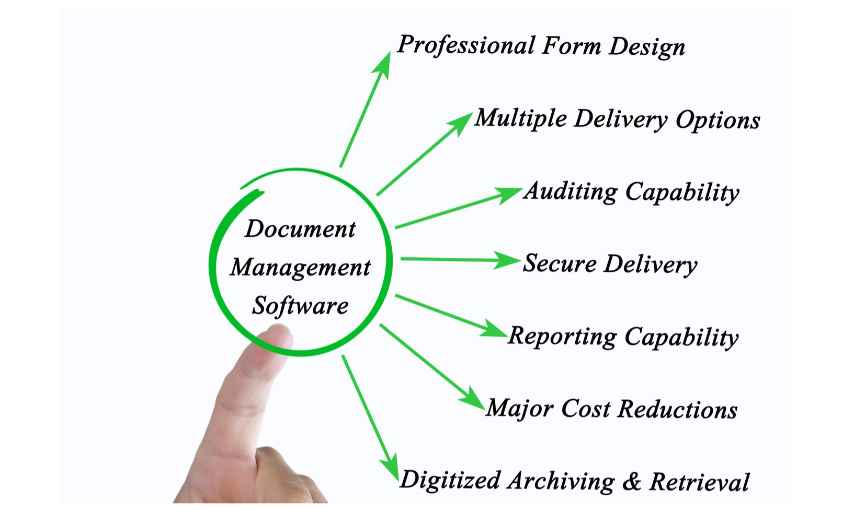
With suitable configuration, a document management solution can support businesses through features such as:
- Centralised document storage and organisation.
- Controlled document access and permissions.
- Document version management.
- Document tracking and audit trails.
- Structured document workflows.
- Easier document retrieval and collaboration.
By bringing document management activities into one platform, businesses can improve visibility and establish more consistent document security practices.
When evaluating docEdge DMS or any cloud document management solution, organisations should also assess its backup and recovery capabilities, encryption, authentication options, hosting security, disaster recovery arrangements and integration with existing cybersecurity tools.
A DMS should form part of a broader cybersecurity strategy that includes endpoint protection, network security, multi-factor authentication, independent backups and incident response planning.
Conclusion
Ransomware can seriously affect businesses by restricting access to important documents, disrupting operations and exposing confidential information.
Traditional shared drives and basic file storage may not provide all the security, access control and document recovery capabilities required by modern organisations.
Cloud document management offers a more structured way to manage business documents through controlled access, version management, audit trails, secure sharing and backup capabilities.
However, no document management platform can guarantee complete protection against ransomware. Businesses should combine a suitable DMS with strong cybersecurity policies, regular backups, employee training and continuous security monitoring.
If your organisation wants to improve document organisation and security, explore docEdge DMS to discover how a dedicated Document Management System can help manage business documents more efficiently while supporting your wider information security strategy.