Businesses handle hundreds or even thousands of documents every day. Contracts need approval, invoices need authorisation, agreements need signing, employee documents need acknowledgement, and important records need to be stored securely.
Traditionally, many of these processes depended on printing documents, physically signing them, scanning them and sending them back. While this approach may still work for occasional paperwork, it becomes slow and inefficient when document volumes increase.
This is where digital signatures in document management software can make a significant difference.
Digital signatures allow organisations to approve and sign documents electronically while keeping the signed documents connected to their digital records. When integrated with a document management system, digital signatures can become part of a broader workflow rather than a separate activity.
For modern businesses, this can mean faster approvals, fewer manual processes, better document tracking and a more organised way of managing important business records.
What Are Digital Signatures?
A digital signature is an electronic method used to verify the identity of a signer and provide evidence that a document has been signed and has not been altered after signing.
While people sometimes use the terms electronic signature and digital signature interchangeably, they can refer to different technologies and processes depending on the legal and technical context.
Digital signatures typically use cryptographic technology to help establish the authenticity and integrity of a signed document.
For businesses, the important point is that digital signing can replace many manual steps involved in traditional document approval and signing.
Instead of:
Print → Sign → Scan → Email → Save → File
a digital workflow can look more like:
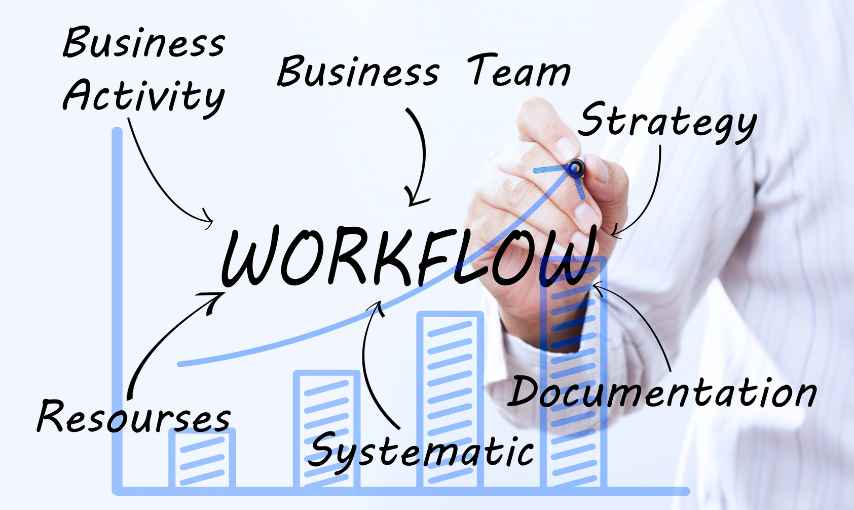
Prepare → Send → Sign → Approve → Store
When this process is connected to document management software, the signed document can remain part of the organisation’s central document record.
Why Digital Signatures Matter for Modern Businesses
Speed is one of the biggest reasons businesses are adopting digital document workflows.
Consider a contract that requires signatures from three people in different locations. With a traditional process, the document may need to be printed, signed, scanned and emailed multiple times.
A digital workflow can allow the document to move between authorised parties electronically.
This can reduce unnecessary delays and make approval processes easier to monitor.
The benefits become even more noticeable when signing is required regularly across departments.
1. Faster Document Approvals
One of the clearest advantages of digital signatures is faster approval.
Documents no longer have to wait for someone to print them, sign them and physically return them.
For example, a business may need a manager to approve a purchase agreement before the procurement team can proceed.
With a digital signature workflow, the document can be sent directly to the authorised person.
Once signed, the process can continue without waiting for physical paperwork.
This can be especially valuable for:
- Contracts
- Purchase orders
- Agreements
- HR documents
- Supplier documents
- Client proposals
- Internal approvals
- Compliance records
Faster approvals can help businesses keep projects and everyday operations moving.
2. Reduced Paperwork
Paper documents require physical storage, printing, scanning and manual filing.
Over time, this creates additional administrative work.
Businesses may need filing cabinets, dedicated storage areas and processes for retrieving older documents.
Digital signatures help move the signing process into a digital environment.
When combined with document management software, businesses can store signed documents electronically and organise them according to their existing document structure.
This reduces dependence on paper while making documents easier to manage.
3. Documents Stay Connected to Their Digital Records
A major benefit of integrating digital signatures with document management software is continuity.
Without integration, employees may use one platform to create documents, another service to sign them and a separate storage system to save the final versions.
This can create fragmented workflows.
A document management platform can bring these activities closer together.
The document can remain associated with its:
- Metadata
- Version history
- Approval status
- Related records
- Access permissions
- Audit information
- Final signed version
This creates a more complete record of the document lifecycle.
4. Better Document Tracking
Businesses often need to know the current status of an important document.
Has it been sent?
Who needs to sign it?
Has someone already approved it?
Is the document still waiting for action?
Traditional email-based workflows can make these questions difficult to answer.
Digital signature workflows can provide clearer visibility into the progress of a document.
Employees can spend less time sending follow-up emails asking whether someone has signed a document and more time focusing on their actual responsibilities.
5. Improved Collaboration
Modern businesses frequently operate across multiple offices, cities and countries.
Employees, customers, suppliers and business partners may not be located in the same physical location.
Digital signatures allow authorised parties to participate in document workflows without needing to be physically present.
This can make collaboration easier for distributed teams.
A contract can be prepared by one team, reviewed by another, signed by an authorised manager and stored centrally without requiring physical document exchanges.
6. Better Document Security
Important business documents can contain sensitive information.
Examples include:
- Customer information
- Financial information
- Employment records
- Business contracts
- Pricing information
- Legal agreements
- Intellectual property
A document management system with appropriate access controls can help restrict documents to authorised users.
Digital signature technologies can also provide mechanisms for verifying signatures and detecting whether signed documents have been altered.
However, digital signatures should be part of a broader security strategy rather than considered a complete security solution on their own.
Strong authentication, permissions, encryption, backups and appropriate governance remain important.
7. Stronger Auditability
Businesses often need to know what happened to a document and when.
For example:
- When was the document created?
- Who reviewed it?
- Who approved it?
- When was it signed?
- Which version was signed?
- Was the document changed afterward?
Digital workflows can make it easier to maintain a record of document activities.
When combined with document management software, these records can contribute to better visibility and accountability.
This can be particularly useful for organisations dealing with contracts, compliance requirements and internal approval processes.
8. Reduced Administrative Work
Manual document processing often involves repetitive tasks.
Employees may spend time:
- Printing documents
- Scanning signed copies
- Renaming files
- Uploading documents
- Sending reminders
- Updating spreadsheets
- Moving documents between folders
- Searching for previous versions
Digital document workflows can automate or simplify many of these activities.
This does not necessarily eliminate human involvement. Instead, it allows employees to focus their attention on tasks that require judgement, review and decision-making.
9. Better Version Control
Version control is an important part of document management.
Imagine a contract has been edited several times and multiple copies are circulating through email.
One person may accidentally sign an outdated version.
A central document management system can help businesses maintain a clearer record of document versions.
The goal is to ensure that the correct document is reviewed and signed while reducing confusion caused by duplicate files.
For organisations managing large numbers of contracts or agreements, this can be particularly valuable.
10. Easier Access to Signed Documents
Once a document has been signed, businesses usually need to retain it.
Finding a signed agreement months or years later can be difficult if documents are scattered across inboxes, personal drives and shared folders.
A document management system can provide a central location for storing and retrieving business records.
Users can search based on information such as:
- Document name
- Customer
- Supplier
- Project
- Department
- Date
- Document type
- Metadata
This can make historical records easier to locate when needed.
11. Supporting Remote and Hybrid Work
Remote work has changed the way businesses handle documentation.
Employees no longer need to be in the same office to review and approve documents.
Digital signatures can support remote workflows by allowing authorised users to participate electronically.
For businesses with distributed teams, this can help maintain document processes without relying on physical paperwork.
The same approach can also make collaboration easier with external customers, suppliers and business partners.
12. Potential Cost Savings
Digital signing can reduce several costs associated with paper-based processes.
Businesses may spend less on:
- Printing
- Paper
- Scanning
- Physical storage
- Document delivery
- Administrative processing
- Manual filing
The actual savings will vary depending on the organisation and the volume of documents it handles.
However, when digital signatures are combined with document management and workflow automation, businesses can reduce unnecessary manual steps across the document lifecycle.
13. Better Customer Experience
Document processes can also affect customers.
Imagine a customer waiting several days for a simple agreement because the business is waiting for paperwork to be printed, signed and returned.
A digital workflow can make the process more convenient.
Customers can review and sign documents electronically where appropriate, reducing unnecessary delays.
This can create a smoother experience while helping businesses move customer-related processes forward more efficiently.
14. Digital Signatures and Compliance
For many businesses, document signing is connected to legal, regulatory and internal compliance requirements.
The specific legal requirements for electronic and digital signatures vary depending on the jurisdiction, document type and circumstances.
Businesses should therefore ensure that their digital signature solution is appropriate for their legal and regulatory requirements.
A strong document management platform can complement this by providing controlled access, document histories, version management and secure record storage.
The combination can help businesses build more structured document processes.
How Digital Signatures Fit Into a Modern DMS
Digital signatures are most useful when they are part of a complete document lifecycle.
A modern workflow might look like this:
1. Document Creation: A document is created within the organisation.
2. Document Review: Relevant employees review the content.
3. Approval: The appropriate person approves the document.
4. Digital Signature: The authorised signer electronically signs the document.
5. Secure Storage: The final version is stored within the document management system.
6. Tracking and Retrieval: The document remains searchable and accessible to authorised users.
This approach creates a connected workflow instead of treating signing as a separate activity.
What Should Businesses Look for in a Document Management Solution?
When evaluating a document management platform with digital signature capabilities, businesses should consider more than just the signing feature.
Important areas may include:
- Document security
- User permissions
- Version control
- Audit trails
- Workflow management
- Search capabilities
- Document classification
- Integration capabilities
- Backup and recovery
- Ease of use
- Scalability
- Compliance requirements
The right solution should fit the organisation’s document processes rather than simply adding another standalone tool.
The Future of Digital Document Workflows
Digital signatures are becoming an important part of the transition from paper-based business processes to digital workflows.
However, their greatest value comes when they are connected with the wider document lifecycle.
Businesses need more than a place to sign documents. They need systems that help them create, review, approve, sign, store, search and manage documents throughout their lifecycle.
This is where modern document management software can provide significant value.
By combining document storage, workflow management, access controls, versioning and digital signing capabilities, organisations can create more structured and efficient document processes.
Manage Your Documents Smarter with docEdge DMS
For businesses looking to move away from fragmented, paper-heavy document processes, docEdge DMS provides a modern approach to document management.
docEdge DMS can help organisations organise, manage and control business documents while supporting structured digital workflows. Instead of treating documents, approvals and records as separate activities, businesses can create a more connected approach to managing information.
Whether your organisation manages contracts, employee records, financial documents, project files, customer information or compliance records, a centralised document management system can make everyday document processes easier to manage.
Explore docEdge DMS and discover how a modern document management solution can help your organisation improve document control, streamline workflows and manage business information more efficiently.
Book a 30-minute free consultation with the docEdge team to discuss your document management requirements.