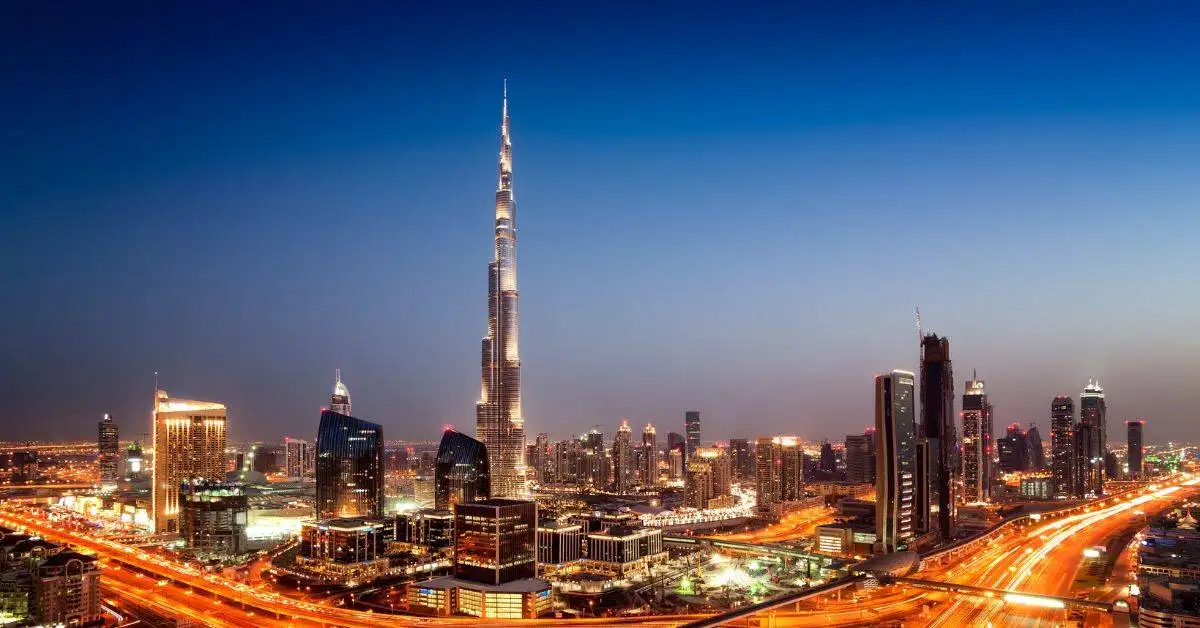
In recent years, Dubai has emerged as a global leader in innovation, technology, and urban development, making ambitious strides towards becoming a “Smart City” and achieving a “Smart Government.” The city is not just about glittering skyscrapers, luxury malls, and high-end real estate. Dubai is on a path to revolutionize governance, business processes, and the way its citizens experience daily life. One of the unsung heroes behind this transformation is Business Process Management (BPM). But what exactly does BPM have to do with Dubai’s Smart Government and Smart City Vision? In this blog, we’ll explore how BPM plays a pivotal role in shaping Dubai’s ambitious future.
What is Business Process Management (BPM)?
Before we dive into its application in Dubai, let’s take a step back and define BPM. At its core, Business Process Management (BPM) refers to the discipline of designing, executing, monitoring, and optimizing business processes. These processes could involve anything from how a government agency interacts with citizens to how a business delivers services. BPM aims to streamline workflows, eliminate inefficiencies, ensure accountability, and ultimately create smoother experiences for both customers and employees.
In the context of Dubai’s vision, BPM isn’t just about improving internal processes in government agencies; it’s about aligning these processes with the city’s overarching goals of efficiency, sustainability, and innovation. It’s also about fostering seamless collaboration between various stakeholders, government bodies, businesses, and the people of Dubai.
Dubai’s Vision: A Smart City and Smart Government
Dubai’s Smart City and Smart Government vision revolves around the idea of transforming the city into a global hub for innovation, connectivity, and efficiency. In 2013, Dubai announced its “Smart Dubai” initiative, which aimed to use technology to make the city more sustainable, livable, and efficient. This vision includes:
- Smart Government: The government aims to enhance its services by using technology to improve transparency, reduce administrative barriers, and simplify citizens’ lives.
- Smart City: The city itself will use technology to improve infrastructure, public services, transportation, and utilities. In essence, Dubai wants to become a city where everything is interconnected and optimized for maximum efficiency.
The key challenge here is ensuring that the infrastructure, governance, and services align with this vision. And this is where BPM becomes essential.
How BPM Supports Dubai’s Smart Government Vision
a. Streamlining Government Services
Dubai’s government has set a target to provide all government services online and automate key processes to save time and reduce costs. This move to digital-first services is a major component of the Smart Government initiative. To make this possible, BPM ensures that all processes within government departments are optimized for efficiency and transparency.
For example, processes like applying for permits, licensing, or accessing public records can be simplified through BPM tools that automate workflows and remove unnecessary bureaucratic steps. By doing so, Dubai can offer faster, more transparent services to its residents and businesses. BPM ensures these processes are aligned with the city’s broader goal of offering world-class digital experiences.
b. Integration Across Government Entities
Dubai is known for its interconnected ecosystem, whether it’s smart buildings, transportation networks, or data systems. For this to work seamlessly, various government departments need to collaborate and share information. This is where BPM steps in.
BPM tools and systems can enable the integration of different departments and entities in Dubai’s government. These tools allow data to flow smoothly between government bodies, ensuring that everyone has access to the right information at the right time. For example, the Dubai Health Authority (DHA) can integrate its systems with the Dubai Police or Dubai Municipality to offer more holistic and coordinated services. BPM bridges the gaps between these diverse departments to make interactions smoother and more efficient.
c. Real-Time Decision Making
One of the critical features of BPM is its ability to provide real-time insights into processes and workflows. In the context of Smart Government, this is incredibly important. By monitoring the performance of various government services and processes, BPM allows officials to quickly identify bottlenecks, inefficiencies, or areas that require attention.
For instance, if there is a delay in issuing a business license due to an internal process bottleneck, BPM can flag this issue, allowing decision-makers to address it swiftly. This ability to make real-time decisions based on data helps the government continuously improve its services and adapt to the needs of its citizens.
d. Citizen-Centric Services
At the heart of Dubai’s Smart Government initiative is the citizen. Dubai aims to provide services that are not just efficient, but also personalized and responsive to individual needs. BPM can enable this by ensuring that processes are tailored to the specific needs of citizens. Through automated systems, Dubai can track citizens’ interactions with government services, ensuring that services are delivered in a timely and personalized manner.
For instance, Dubai’s Government’s “DubaiNow” app, which provides citizens with access to over 130 government services, is a product of BPM optimization. BPM ensures that the app’s processes are streamlined, responsive, and easy for users to navigate.
How BPM Supports Dubai’s Smart City Vision
The Smart City concept goes beyond government services and extends to urban infrastructure, transportation, healthcare, and more. Here, BPM’s role becomes more about optimizing processes that impact everyday life for citizens.
a. Efficient Resource Management
One of the key goals of a Smart City is to use resources more efficiently. Dubai, with its rapid urbanization, faces unique challenges in managing its resources, especially water, electricity, and public transport. BPM can help by monitoring and optimizing these processes.
For example, Dubai’s Water and Electricity Authority (DEWA) uses smart grid technology to monitor and manage energy usage. BPM ensures that the processes around energy distribution and consumption are efficient, reducing waste and improving sustainability. By automating and optimizing these processes, Dubai can ensure that it meets the needs of its growing population while also minimizing its environmental footprint.
b. Optimizing Urban Mobility
Dubai is investing heavily in creating a seamless transportation system, including autonomous vehicles, electric buses, and integrated traffic management systems. To make all of these systems work together efficiently, BPM tools are essential.
BPM enables real-time coordination between different transportation entities, ensuring that the flow of traffic, public transportation, and even ride-sharing services are optimized for minimal congestion and maximum convenience. For example, a BPM-enabled system could manage traffic signals based on real-time traffic data, reducing wait times and improving overall flow.
c. Smart Healthcare Services
Healthcare is another critical area where BPM plays a vital role in a Smart City. With the integration of data from various healthcare providers, BPM systems can streamline patient care, manage hospital workflows, and optimize administrative tasks. For example, BPM can ensure that patient records are updated and shared in real-time across different health centers, enabling faster diagnosis and treatment.
Dubai’s ambitions in the healthcare sector include the use of artificial intelligence and telemedicine, both of which depend on seamless data exchange and efficient workflows. BPM plays a significant role in ensuring that these processes are not only efficient but also secure and compliant with regulations.
d. Sustainability and Environmental Goals
Dubai’s Smart City vision is also focused on sustainability. The city has set ambitious targets for reducing its carbon footprint, managing waste, and using renewable energy sources. BPM helps track and optimize processes related to these goals, ensuring that Dubai remains on track to meet its environmental targets.
For example, waste management systems can be optimized using BPM to ensure that collection, recycling, and disposal processes are efficient. Similarly, BPM can play a role in monitoring energy consumption across buildings and infrastructure, ensuring that resources are being used wisely.
Conclusion: BPM as the Backbone of Dubai’s Smart Future
In summary, Business Process Management is more than just a tool for improving efficiency; it is the backbone that supports the Smart Government and Smart City vision for Dubai. By streamlining government services, enabling real-time decision-making, and fostering seamless collaboration across departments, BPM is playing a crucial role in transforming Dubai into a city of the future.
As Dubai continues to innovate and expand, BPM will remain a key enabler in ensuring that the city’s services are not only efficient but also responsive, sustainable, and citizen-centric. For both the government and its citizens, BPM provides a clear pathway to a more connected, efficient, and smarter future.